Fighting for the Rights of Victims of Terror
After a terror attack, families often face difficult decisions and complicated government procedures at a time when they are already dealing with enormous personal challenges.
OneFamily helps families understand their rights, pursue the assistance they are entitled to and challenge decisions that may affect their future.
Legal Advice & Assistance
Securing government recognition, benefits and compensation is not always straightforward.
OneFamily assists families with claims and appeals, including matters involving Bituach Leumi (Israel’s National Insurance Institute) and official recognition as victims of terror.
Some cases involve complicated circumstances or decisions that require further attention. OneFamily helps families understand the process and works with them to pursue a resolution.
Advocacy & Policy Change
OneFamily also works to improve the laws and policies affecting victims of terror.
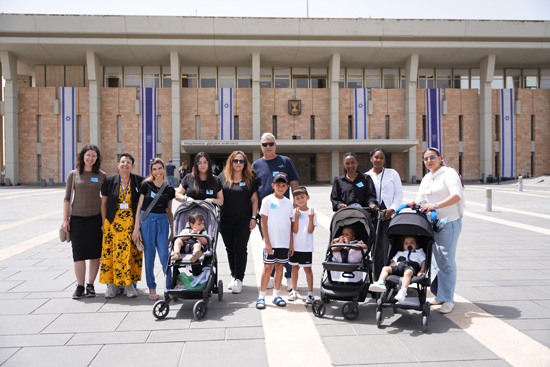
Through meetings with government officials, participation in Knesset discussions and engagement with public institutions, OneFamily brings the concerns of affected families to those responsible for making decisions.
This work is informed by the difficulties families encounter firsthand, from gaps in eligibility to obstacles in accessing assistance.
By addressing these issues at the policy level, OneFamily seeks improvements that can benefit families across Israel, not just those involved in an individual case.
Help OneFamily protect the rights of victims of terror and advocate for the assistance they deserve.